Mastering Commercial Lawn Care Techniques: Lawn Care Tools and Strategies
If you’ve ever looked at a perfectly manicured lawn and thought, “How on earth do they keep it so flawless?”—you’re not alone. Maintaining a lush, green carpet of grass that makes neighbors green with envy is no small feat. But don’t worry, I’m here to spill the secrets on mastering lawn care tools and strategies that can transform any patch of grass into a verdant masterpiece. Whether you’re managing a sprawling commercial property or a cozy residential yard, these tips will have you feeling like the lawn whisperer in no time.
Let’s dive into the world of grass blades, soil science, and the trusty tools that make it all happen. Ready to roll up your sleeves? Let’s get started!
The Essential Lawn Care Tools and Strategies You Need to Know
Think of lawn care like cooking a gourmet meal. You need the right ingredients (soil, water, nutrients) and the right utensils (tools) to whip up something spectacular. Here’s a rundown of the must-have tools and strategies that will keep your lawn looking sharp:
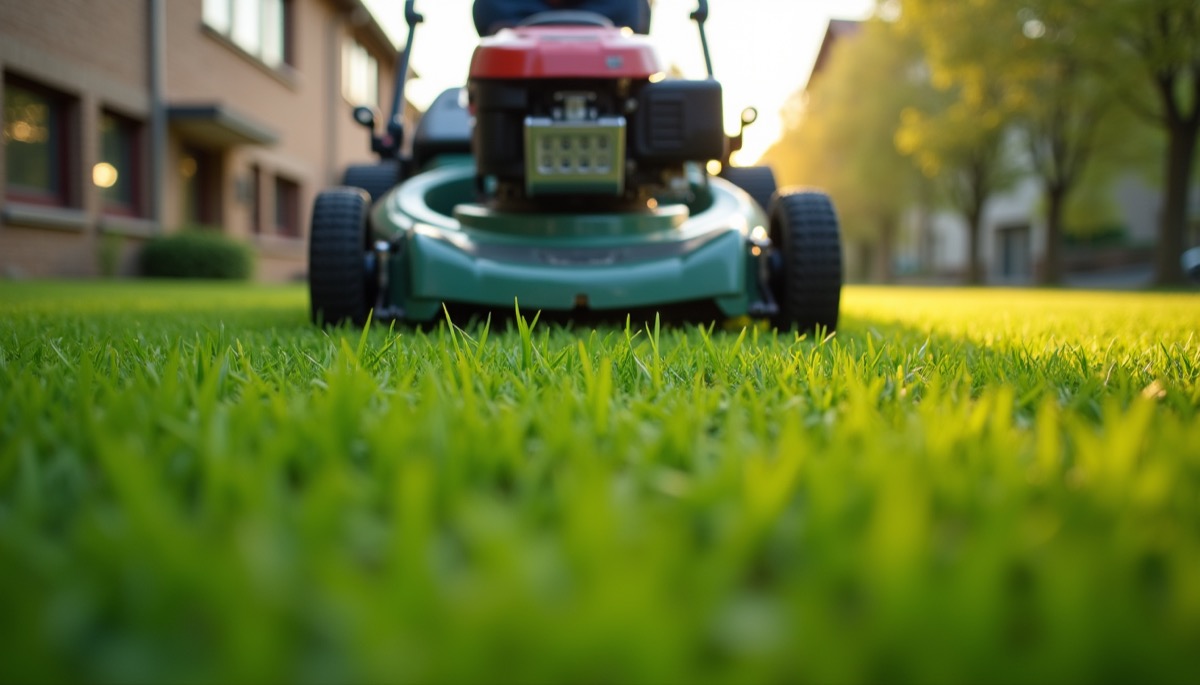
Lawn Mower: The bread and butter of lawn care. A sharp, well-maintained mower ensures clean cuts, which means healthier grass. Dull blades tear the grass, making it vulnerable to disease.
String Trimmer: For those hard-to-reach edges and corners where the mower can’t go. It’s like the fine brushstroke on a painting.
Aerator: This tool pokes holes in the soil, allowing air, water, and nutrients to penetrate deeper. Think of it as giving your lawn a breath of fresh air.
Spreaders: Whether you’re applying seed, fertilizer, or lime, a spreader ensures even distribution. Uneven application is like seasoning only one side of your steak—nobody wants that.
Sprayers: For applying herbicides or pesticides, sprayers help you target problem areas without drowning the whole lawn.
Rakes and Leaf Blowers: Keeping the lawn free of debris is crucial. Leaves and thatch can smother grass if left unchecked.
Strategy Tips:
Mow High and Often: Cutting grass too short stresses it out. Aim for about 3 inches in height and never remove more than one-third of the blade at a time.
Water Wisely: Early morning watering reduces evaporation and fungal growth. Deep, infrequent watering encourages roots to grow deeper.
Feed Your Lawn: Use a balanced fertilizer tailored to your grass type and soil needs. Overfeeding is like overfeeding a pet—bad news all around.
Control Weeds Early: Spot treat weeds before they spread. Prevention is always easier than cure.
What is Commercial Lawn Maintenance?
Now, you might be wondering, what exactly sets commercial lawn maintenance apart from your typical weekend yard work? It’s a whole different ball game. Commercial properties—think office parks, retail centers, schools, and municipal spaces—demand a higher level of care and consistency. The stakes are higher because these spaces represent businesses and communities, and first impressions matter.
Commercial lawn maintenance involves regular scheduling, specialized equipment, seasonal adjustments, and compliance with safety regulations. The goal? To keep the property looking pristine year-round, enhancing curb appeal and creating a welcoming environment for visitors and employees alike.
Soil Health: The Unsung Hero of Lawn Care
If your lawn were a cake, soil would be the flour—the foundation everything else depends on. Start with a soil test. It’s like a check-up for your lawn’s stomach. This test reveals pH levels, nutrient deficiencies, and organic matter content.
Most grasses prefer a pH between 6.0 and 7.0. Nitrogen, phosphorus, and potassium are the big three nutrients. And don’t forget aeration — compacted soil is like trying to breathe through a straw.
Tackling Common Lawn Problems Like a Pro
Every lawn has its quirks: weeds like dandelions and crabgrass, pests like grubs and chinch bugs, fungal diseases in wet conditions, and bare spots that need overseeding. Remember, prevention is your best friend. Regular maintenance and early intervention keep problems from snowballing.
Year-Round Lawn Care
Spring: Clean up debris, aerate, apply pre-emergent herbicides, and start fertilizing. Summer: Mow regularly, water deeply but infrequently, and watch for pests. Fall: Overseed, fertilize with a high-potassium mix, and rake leaves. Winter: Keep foot traffic off frozen grass and plan for next year.
Mastering lawn care tools and strategies is like learning to dance with nature. With patience, the right tools, and a bit of know-how, your lawn will be the talk of Jamestown and Chautauqua County. Happy mowing!
← Back to Klice's Korner