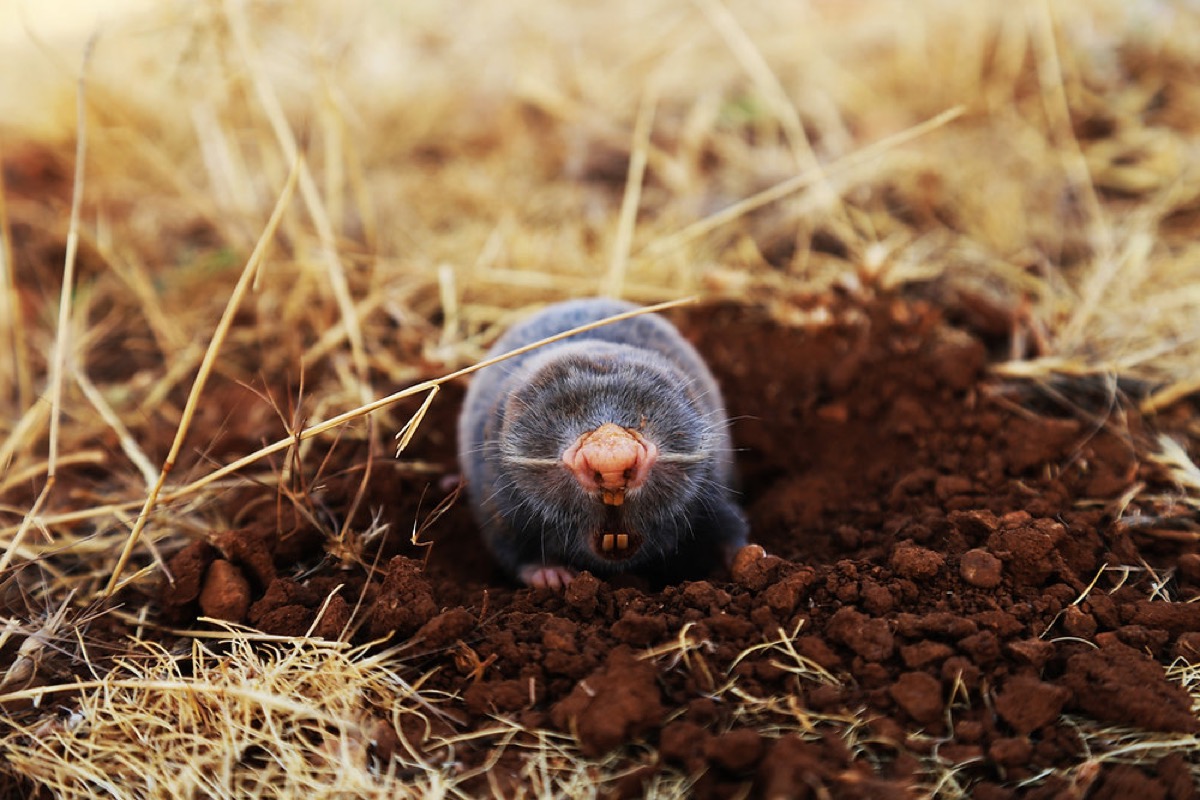
Secret Lives Under the Snow: Identifying Voles vs. Moles
Hello neighbors, Jeremy Klice here.
Spring in Jamestown means the snow piles finally recede to reveal a complete disaster on your front lawn. Before you declare war on the wrong critter, we need to play detective: was it a Mole, or a Vole?
The Suspects: The Miner vs. the Mouse
The Mole is an underground recluse — a carnivore that digs deep tunnels hunting earthworms and grubs. Mounds of soil pushing up like mini-volcanoes mean you have a mole; it doesn’t care about your grass, just the bugs underneath it.
The Vole (meadow mouse) is the culprit 90% of the time. Voles are herbivores that live on the surface, leaving squiggly, snake-like “runways” worn into the turf where they commuted all winter.
Why Does This Happen in Winter?
Snow acts as a cozy insulating blanket, keeping ground temperature around 32°F and hiding voles from predators, so they build elaborate tunnel systems on top of your lawn all winter long.
The Good News: Your Lawn Will Survive
Voles usually only eat the grass blades, leaving the root system intact. The fix is the “Rake and Wake”: rake out the matted, dead grass along the trails, apply a little spring fertilizer, and the surrounding grass will usually fill in the tracks quickly.
The Bad News: Your Trees Are on the Menu
Voles love to gnaw the bark of young trees, a process called “girdling” that can kill the tree if they chew all the way around the trunk. Protect young trees with plastic spiral guards or hardware-cloth cylinders, tall enough to extend above the expected snow line.
If you aren’t sure if you’re looking at a mole hill or a vole highway, give me a shout — I’m happy to come take a look. — Jeremy
← Back to Klice's Korner